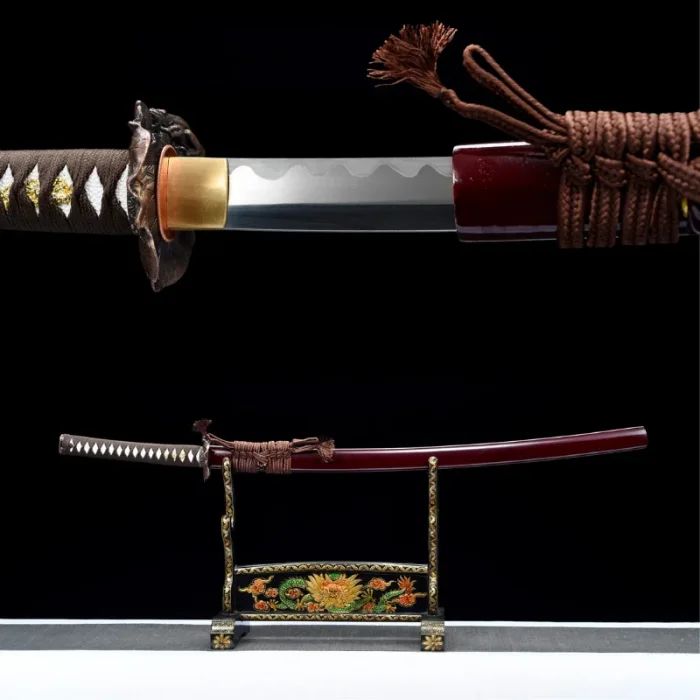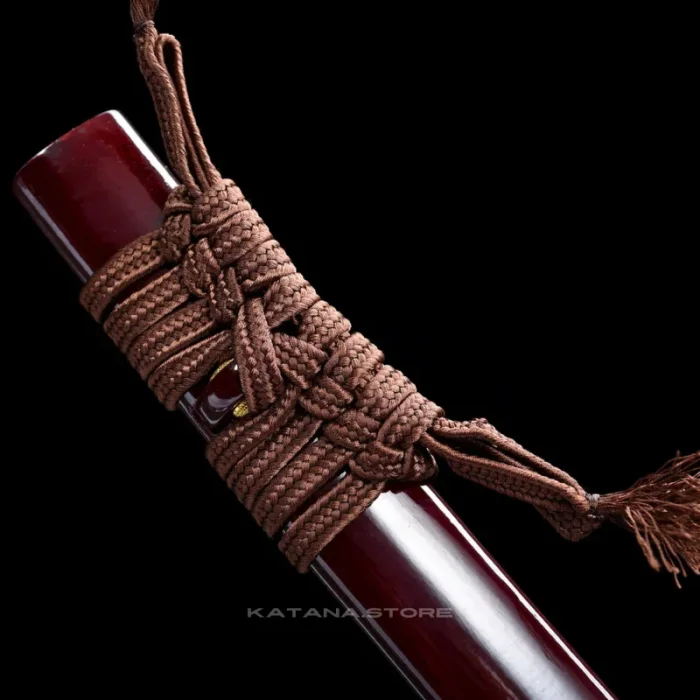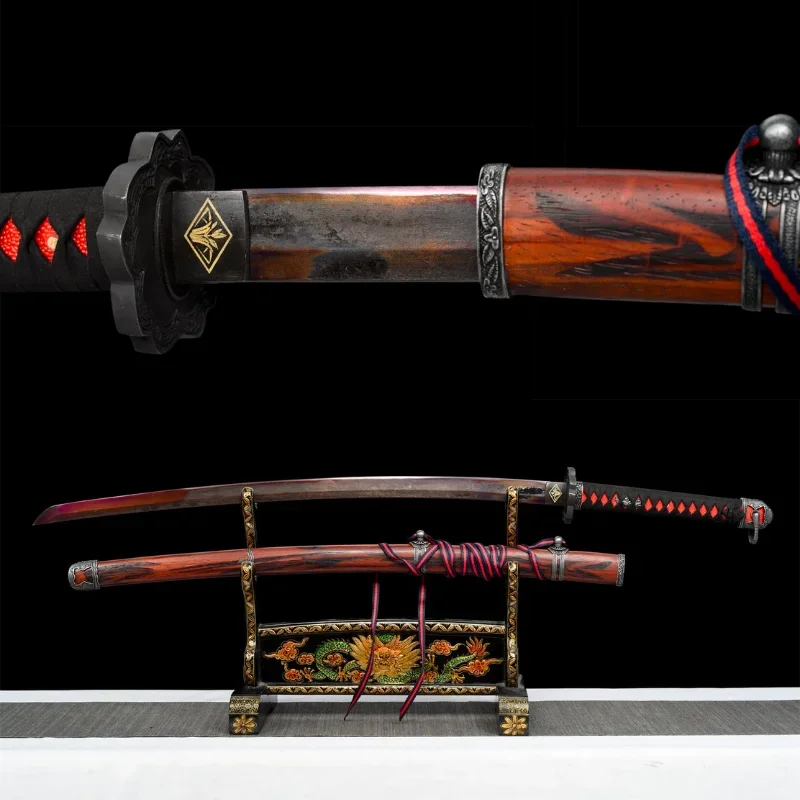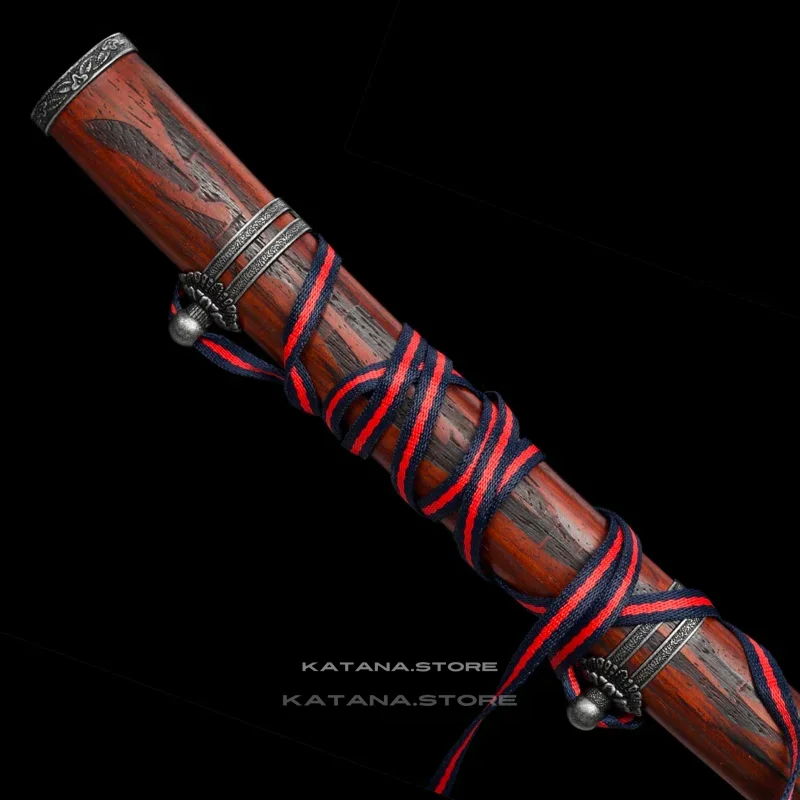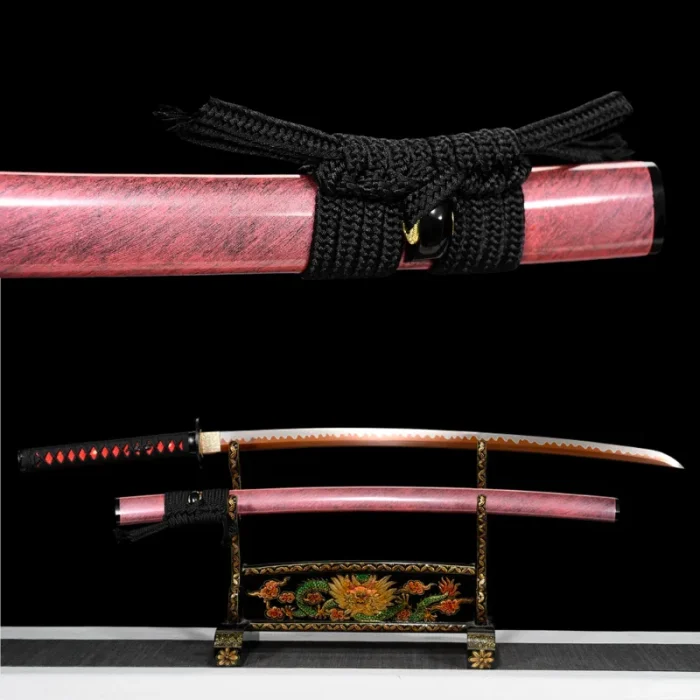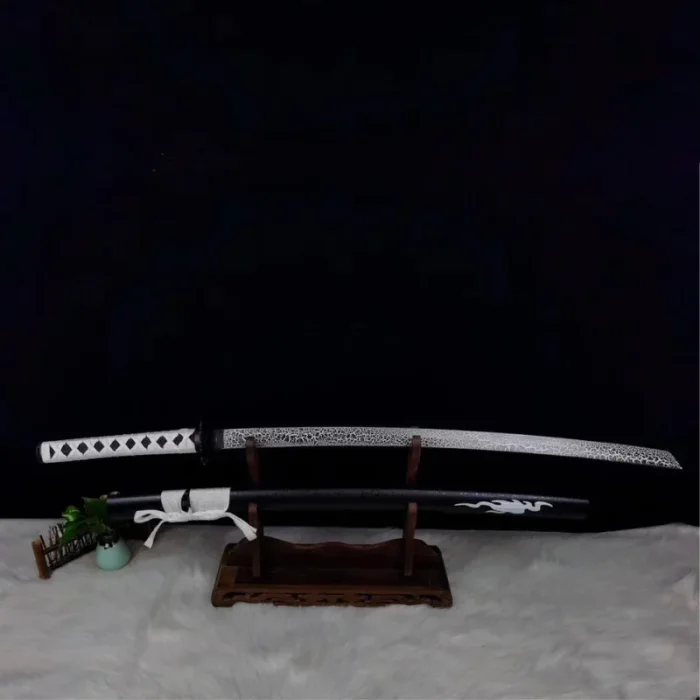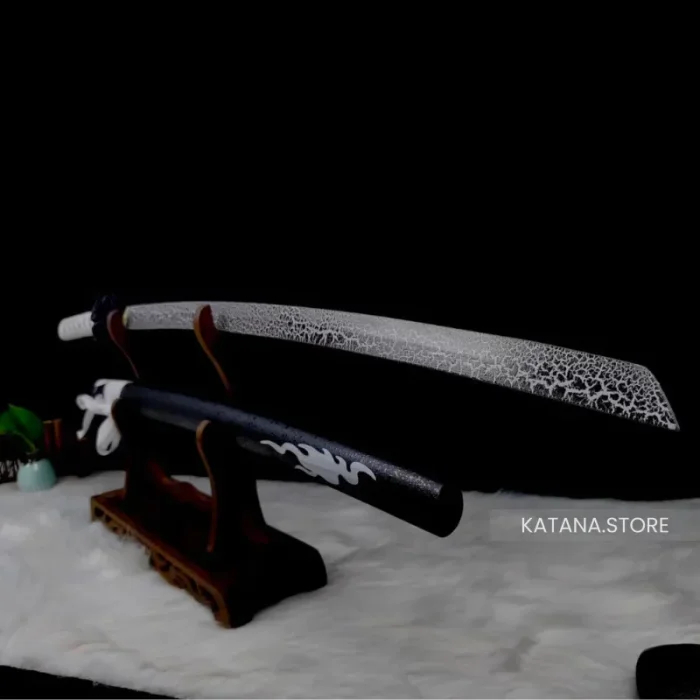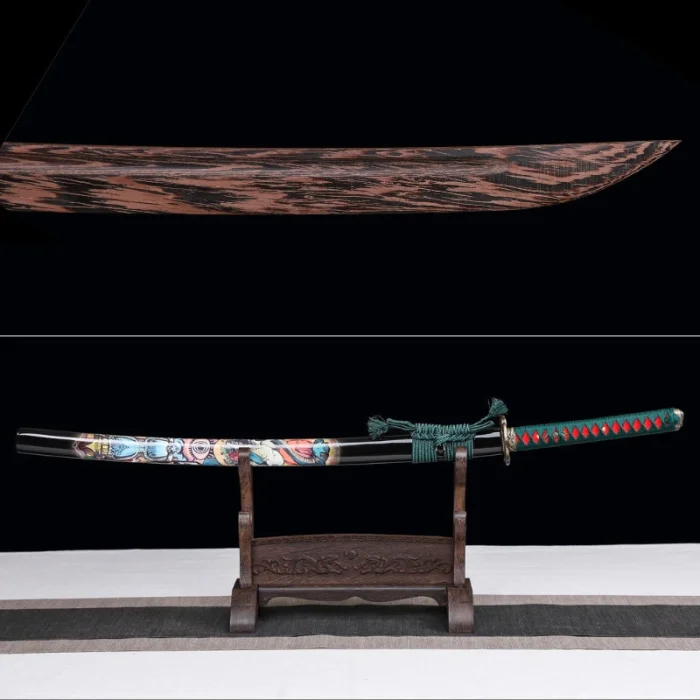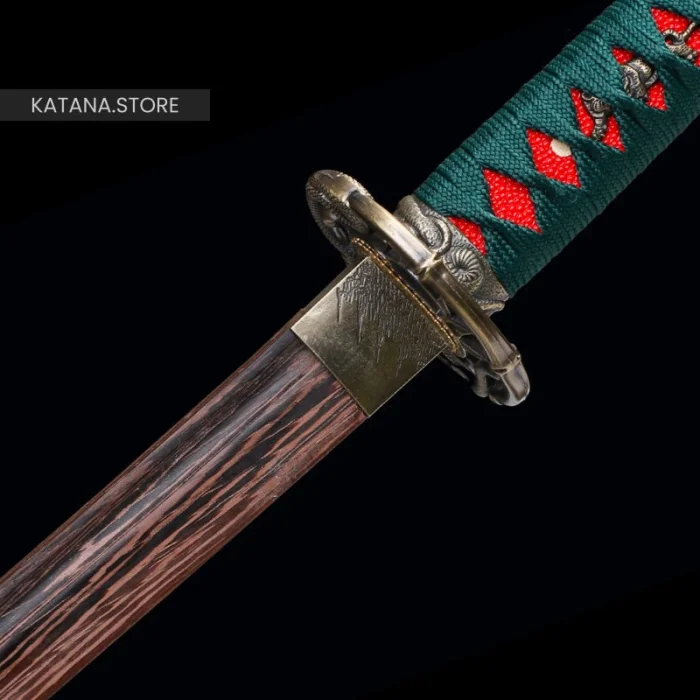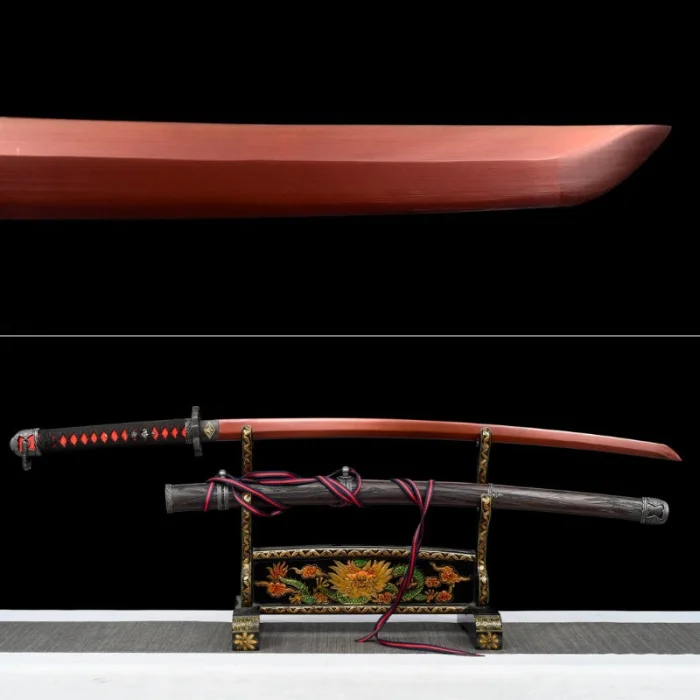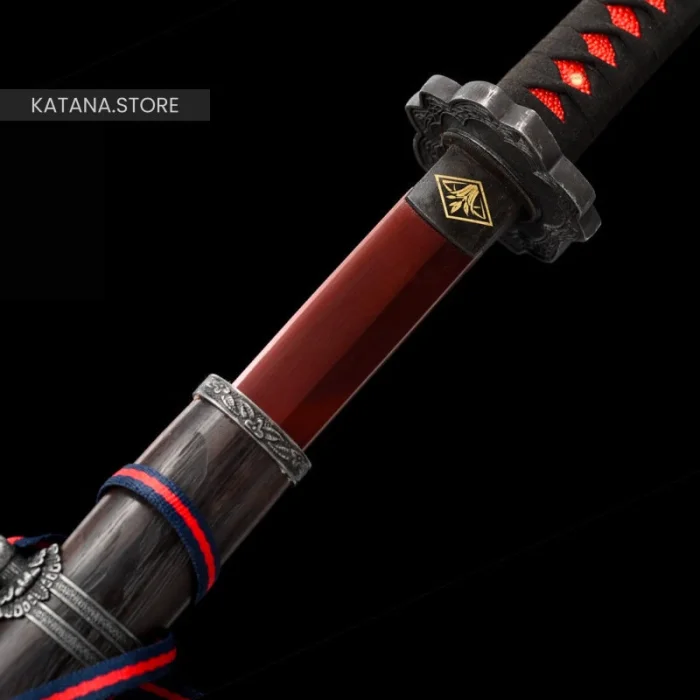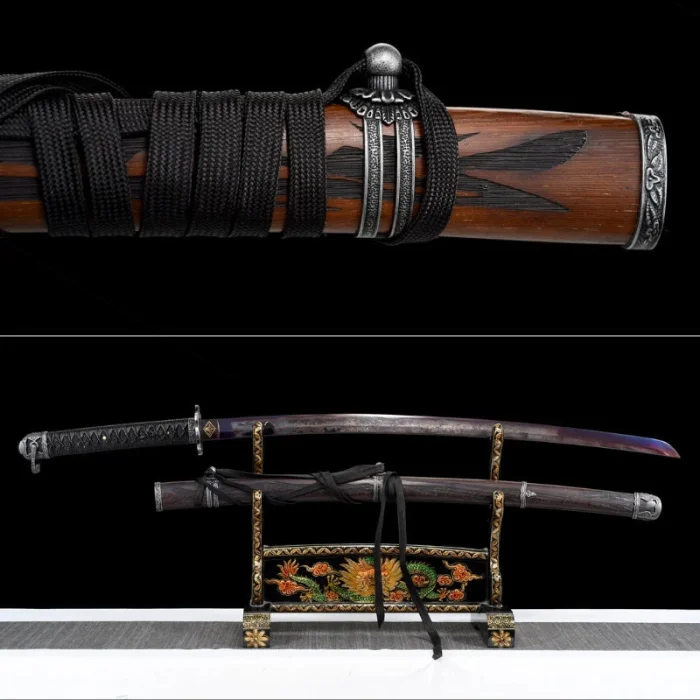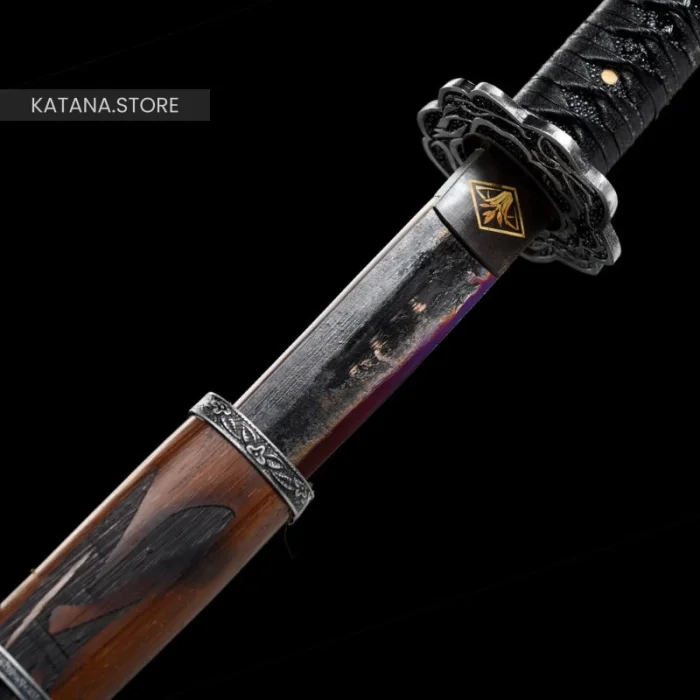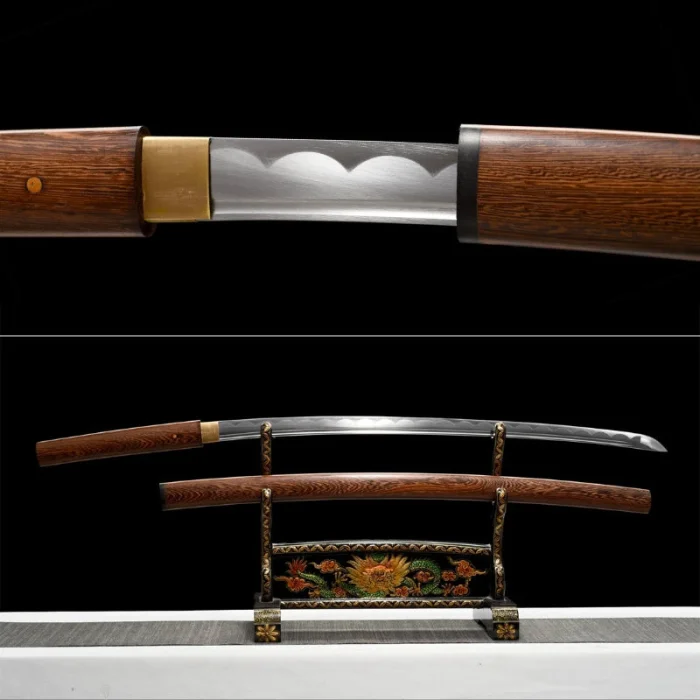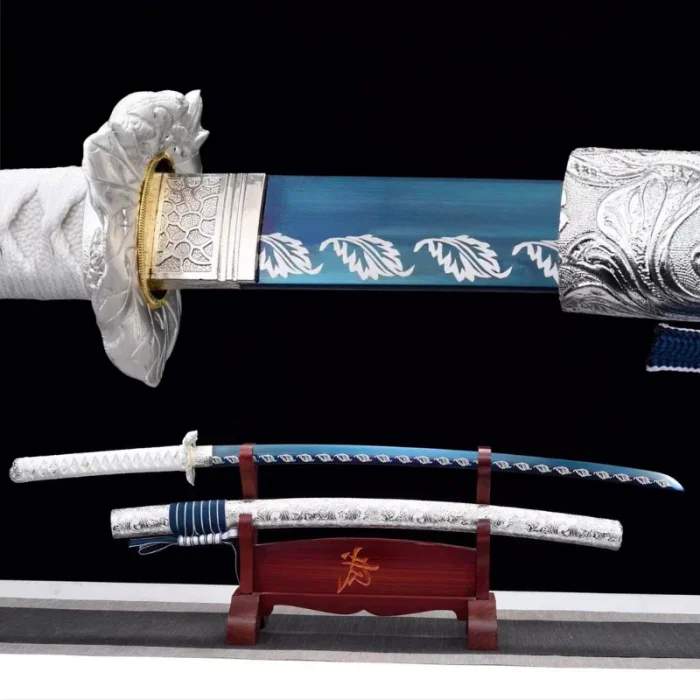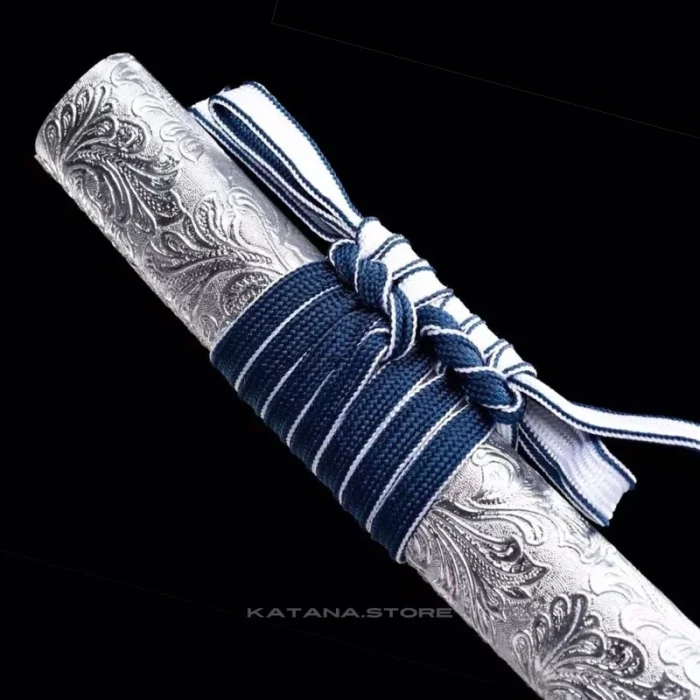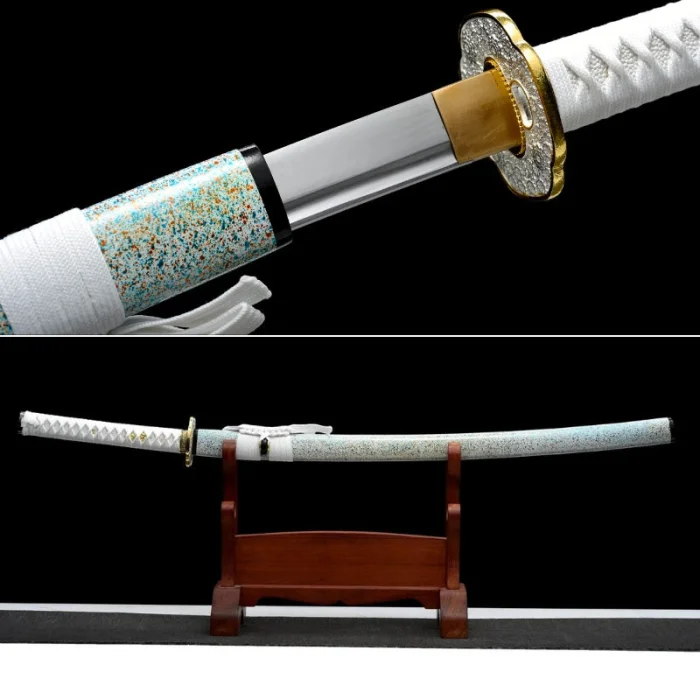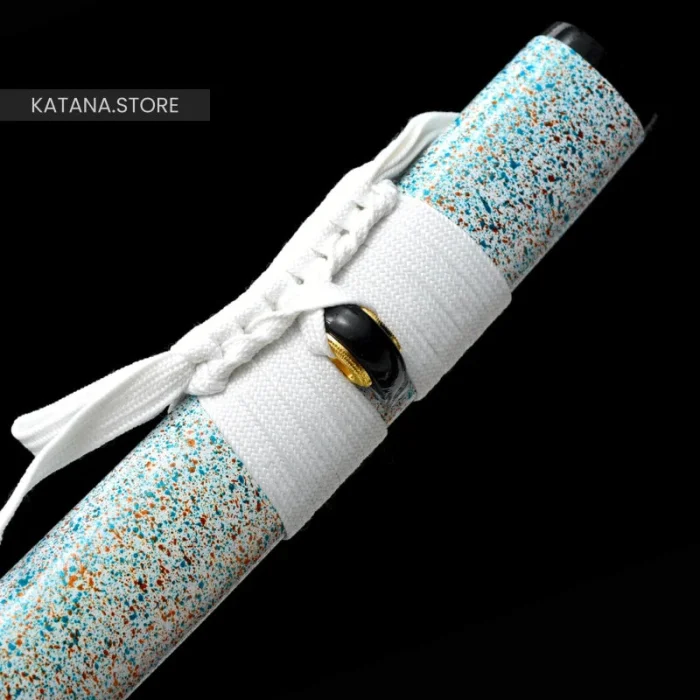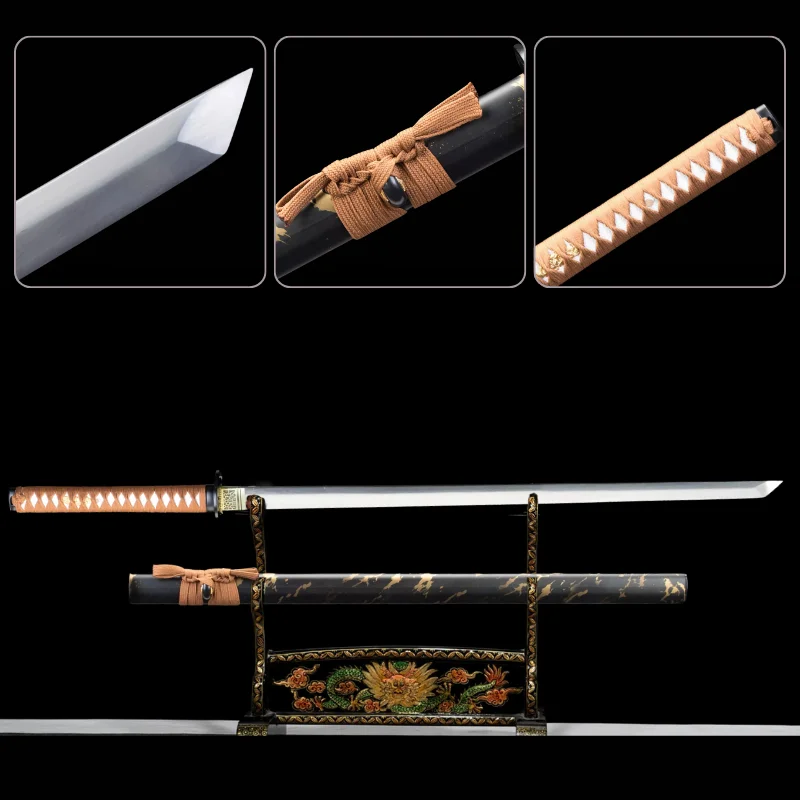
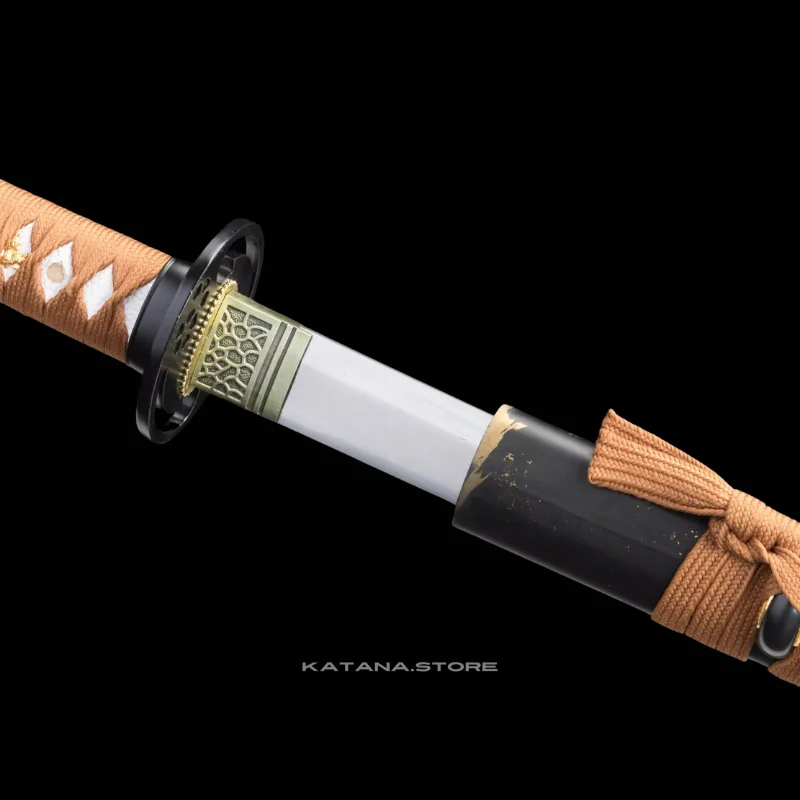
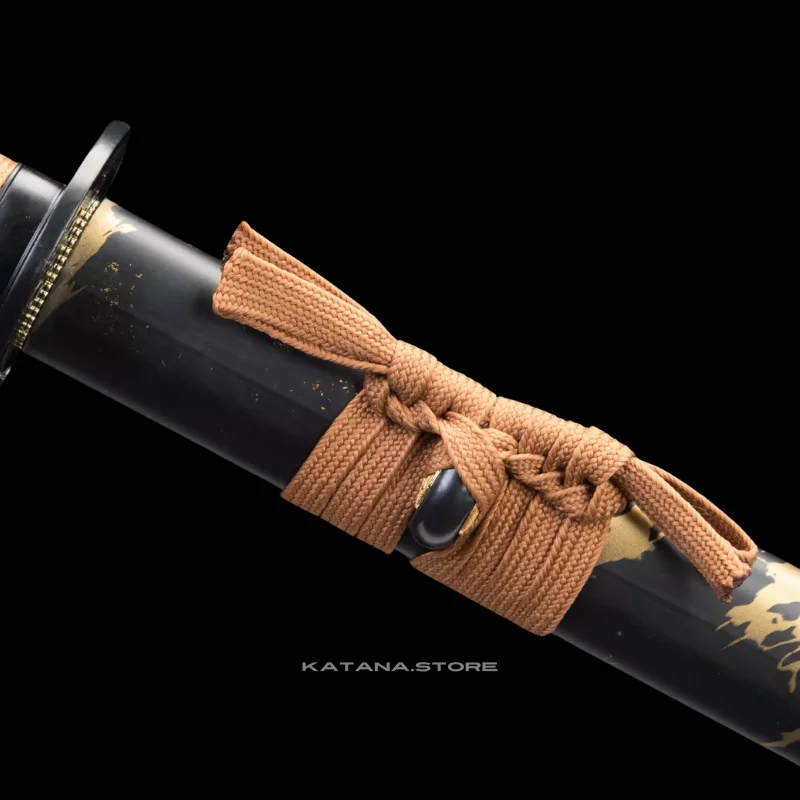
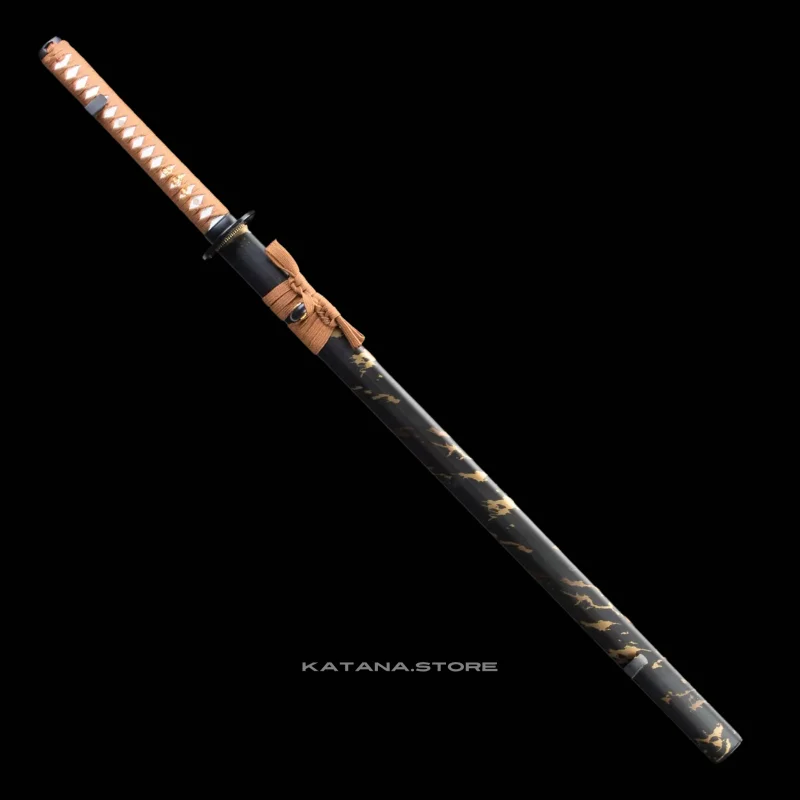
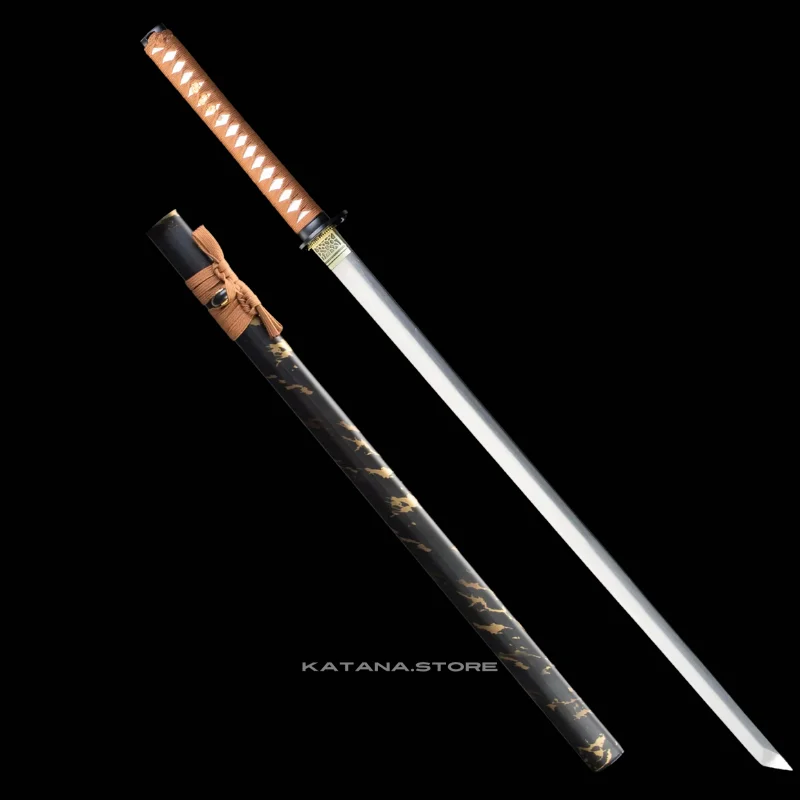
1060 High Carbon Ninjato
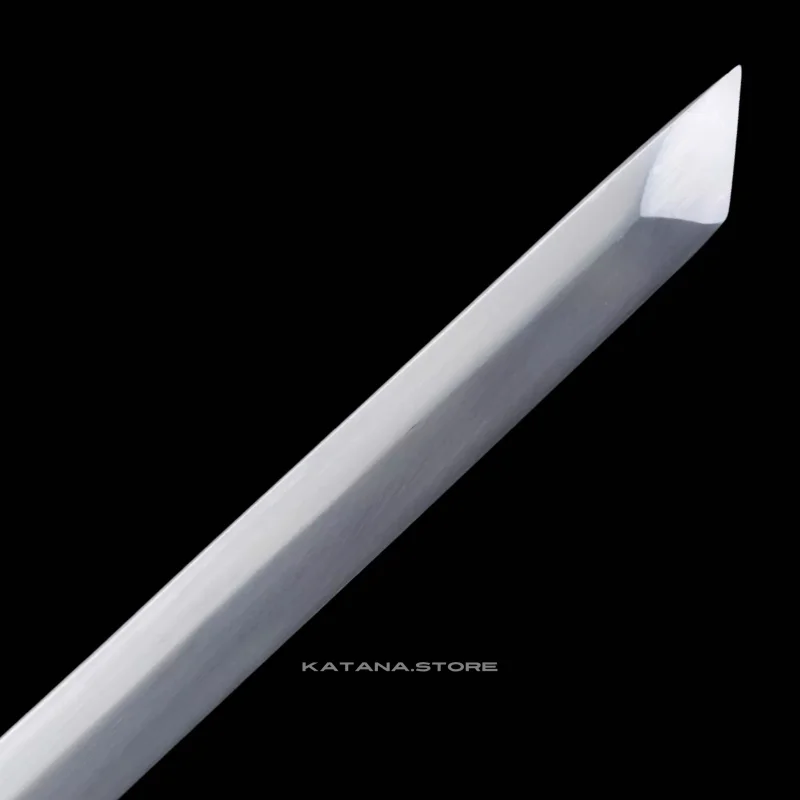
Blade Forged from 1060 Carbon Steel
One of the defining features of 1060 carbon steel is its high carbon content, approximately 0.60% carbon by weight. This high carbon content significantly enhances the hardness of the steel, allowing it to maintain a sharp edge for a prolonged period. This makes the 1060 carbon steel blade exceptionally effective in cutting and thrusting, providing a reliable performance in both practice and real-world applications.
1060 carbon steel strikes an excellent balance between hardness and toughness. While it is hard enough to hold a sharp edge, it also possesses a certain degree of flexibility. This flexibility ensures that the blade can absorb impacts without cracking or breaking, which is essential for a functional and durable sword. This balance makes the 1060 carbon steel Ninjato resilient and capable of withstanding rigorous use.
Ease of Sharpening
Another significant advantage of 1060 carbon steel is its ease of sharpening. Unlike some other high-carbon steels that can be difficult to sharpen, 1060 carbon steel can be honed to a razor-sharp edge relatively easily. This property is particularly valuable for martial artists and sword enthusiasts who require a blade that can be quickly and efficiently maintained.
Resistance to Wear
The wear resistance of 1060 carbon steel ensures that the blade retains its sharpness and structural integrity even after extensive use. This characteristic makes the 1060 High Carbon Ninjato a practical choice for both combat training and display, as it remains in excellent condition with minimal maintenance.
Traditional Forging and Tempering
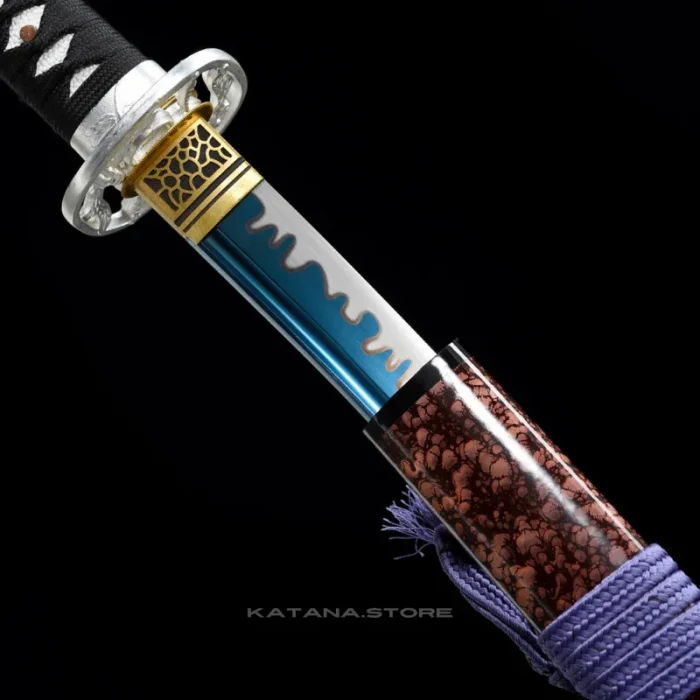
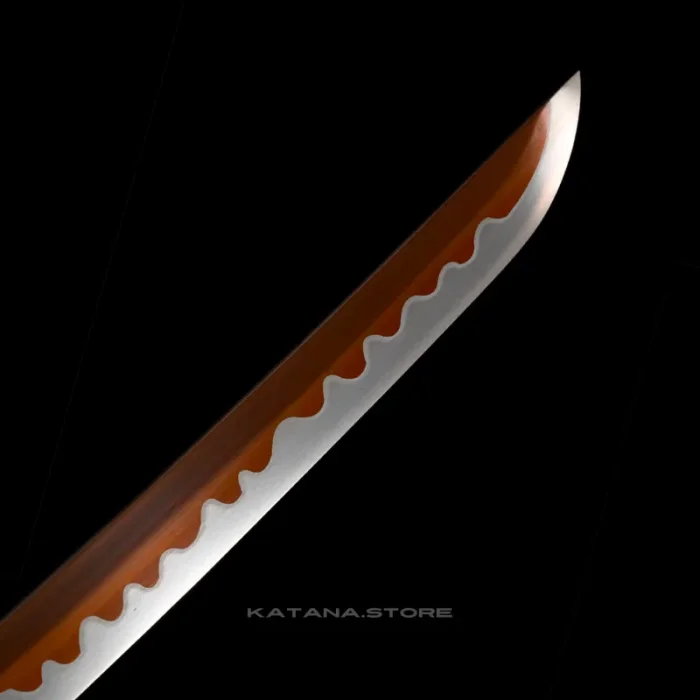
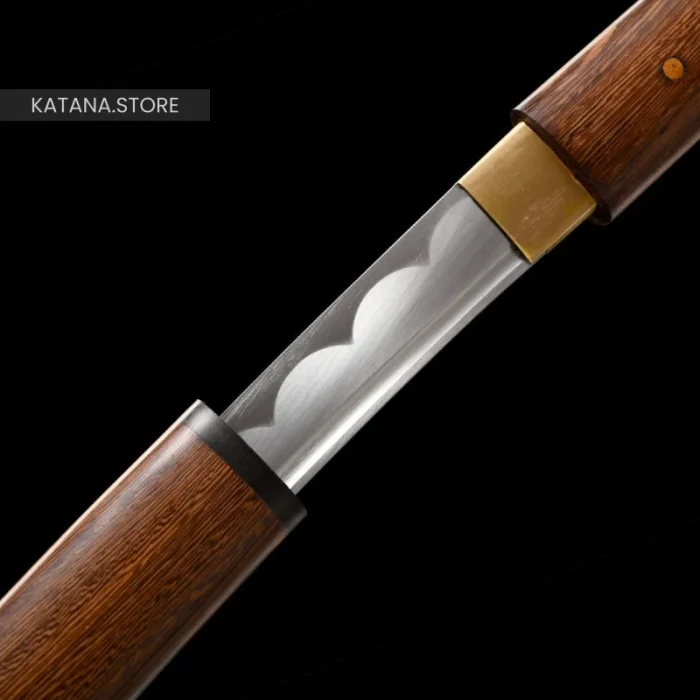
1060 carbon steel is often favored in traditional sword forging due to its ability to be differentially hardened. This process involves heating and then rapidly cooling the blade, which creates a hard edge and a softer spine. The result is a blade that is both sharp and flexible, embodying the ideal qualities of a traditional Japanese sword. This differential hardening process also contributes to the blade’s distinctive hamon (temper line), adding to its visual appeal.
Affordable and Accessible
Compared to other high-carbon steels, 1060 carbon steel is relatively affordable, making it accessible to a wide range of sword enthusiasts. Despite its affordability, it does not compromise on quality, offering an excellent balance of performance and cost.
Original: $349.00
-70%$349.00
$104.70Product Information
Product Information
Shipping & Returns
Shipping & Returns
Description
Blade Forged from 1060 Carbon Steel
One of the defining features of 1060 carbon steel is its high carbon content, approximately 0.60% carbon by weight. This high carbon content significantly enhances the hardness of the steel, allowing it to maintain a sharp edge for a prolonged period. This makes the 1060 carbon steel blade exceptionally effective in cutting and thrusting, providing a reliable performance in both practice and real-world applications.
1060 carbon steel strikes an excellent balance between hardness and toughness. While it is hard enough to hold a sharp edge, it also possesses a certain degree of flexibility. This flexibility ensures that the blade can absorb impacts without cracking or breaking, which is essential for a functional and durable sword. This balance makes the 1060 carbon steel Ninjato resilient and capable of withstanding rigorous use.
Ease of Sharpening
Another significant advantage of 1060 carbon steel is its ease of sharpening. Unlike some other high-carbon steels that can be difficult to sharpen, 1060 carbon steel can be honed to a razor-sharp edge relatively easily. This property is particularly valuable for martial artists and sword enthusiasts who require a blade that can be quickly and efficiently maintained.
Resistance to Wear
The wear resistance of 1060 carbon steel ensures that the blade retains its sharpness and structural integrity even after extensive use. This characteristic makes the 1060 High Carbon Ninjato a practical choice for both combat training and display, as it remains in excellent condition with minimal maintenance.
Traditional Forging and Tempering
1060 carbon steel is often favored in traditional sword forging due to its ability to be differentially hardened. This process involves heating and then rapidly cooling the blade, which creates a hard edge and a softer spine. The result is a blade that is both sharp and flexible, embodying the ideal qualities of a traditional Japanese sword. This differential hardening process also contributes to the blade’s distinctive hamon (temper line), adding to its visual appeal.
Affordable and Accessible
Compared to other high-carbon steels, 1060 carbon steel is relatively affordable, making it accessible to a wide range of sword enthusiasts. Despite its affordability, it does not compromise on quality, offering an excellent balance of performance and cost.